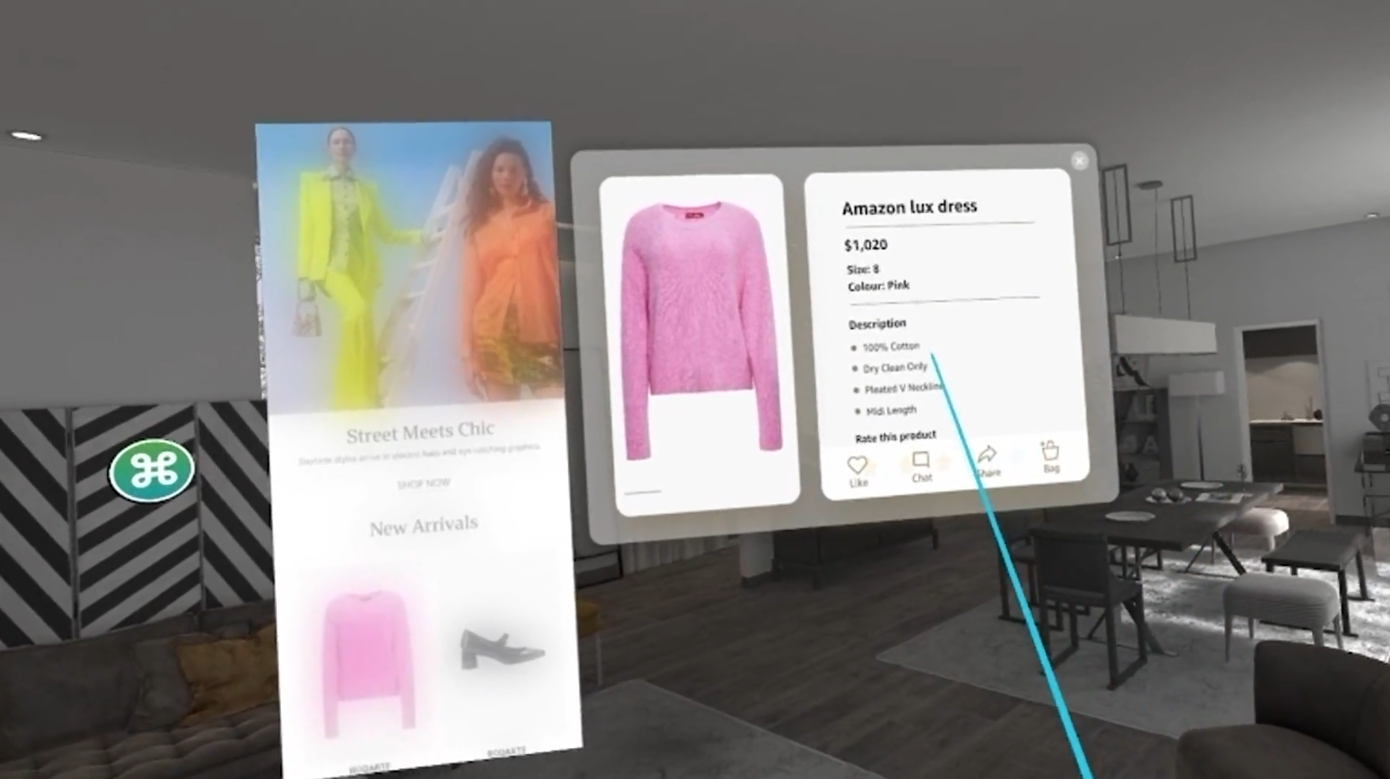
At an Amazon hackathon, I went beyond static design to rapidly prototype an AR shopping experience concept using Unity and ProtoPie, deployed on a Meta Quest headset.
I had one day to create a working concept…
Why and How I built it…
I don’t need to wait for direction—I explore, build, and validate at high fidelity so ideas don’t stay ideas. I turn concepts into working product moments that teams can actually test, feel, and build on.
Conclusion
Through this project, I learned how to take early-stage ideas and quickly transform them into high-fidelity, interactive prototypes within a VR environment. I saw the value of using existing assets to accelerate iteration, combining tools like ProtoPie and Unity to make concepts tangible, and testing early with users and stakeholders to validate assumptions.
Most importantly, I was reminded that innovation comes from getting hands-on—experimenting rapidly, learning fast, and iterating without waiting for perfect specs. This process captures what I love most about product design: crafting high-fidelity experiences, prototyping at speed, thinking beyond the obvious, and always pushing for the best possible customer outcome. I’m energised by new technology, driven by curiosity, and motivated by the constant opportunity to learn and build better.
Other examples
#3 Integrated the elements into Unity
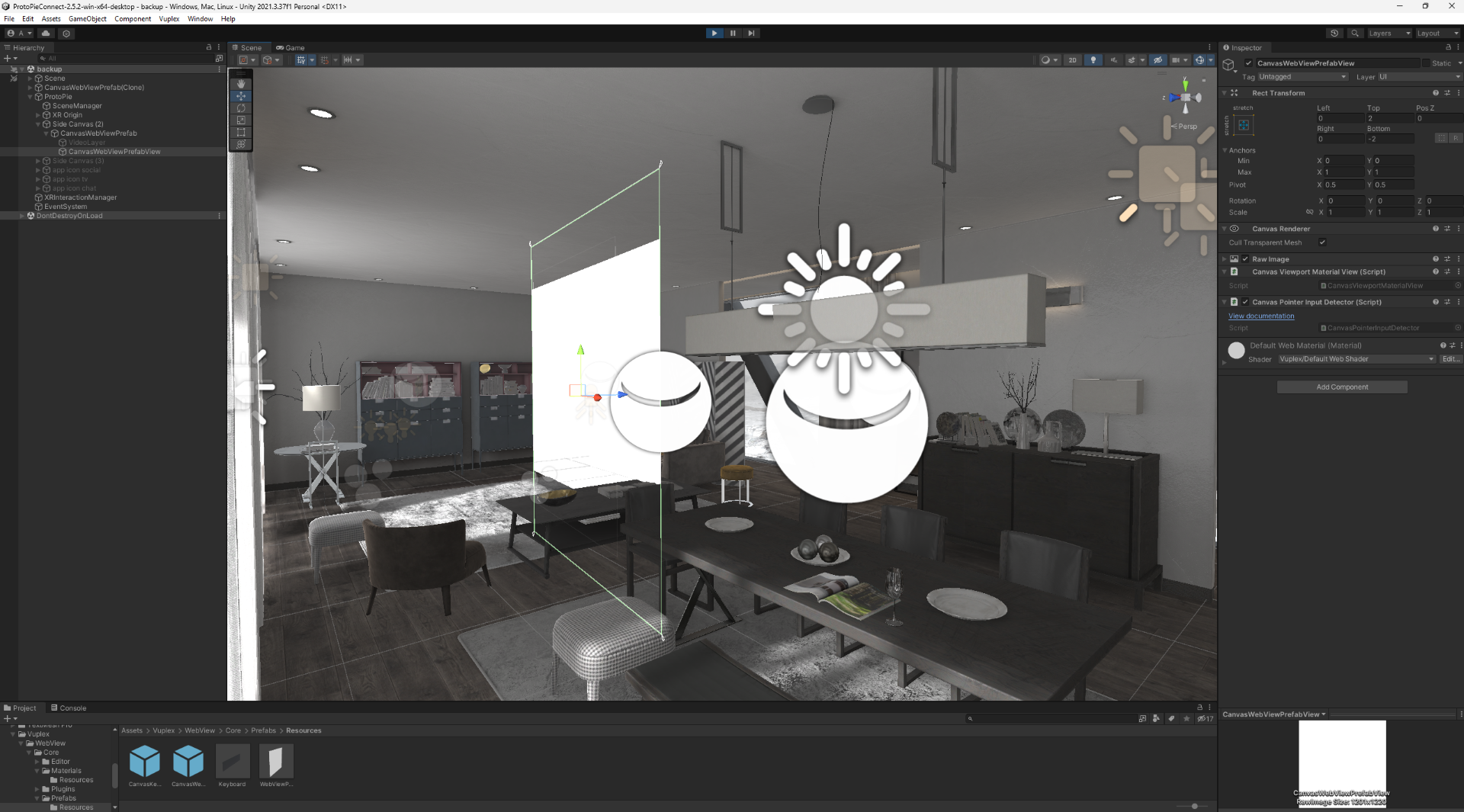
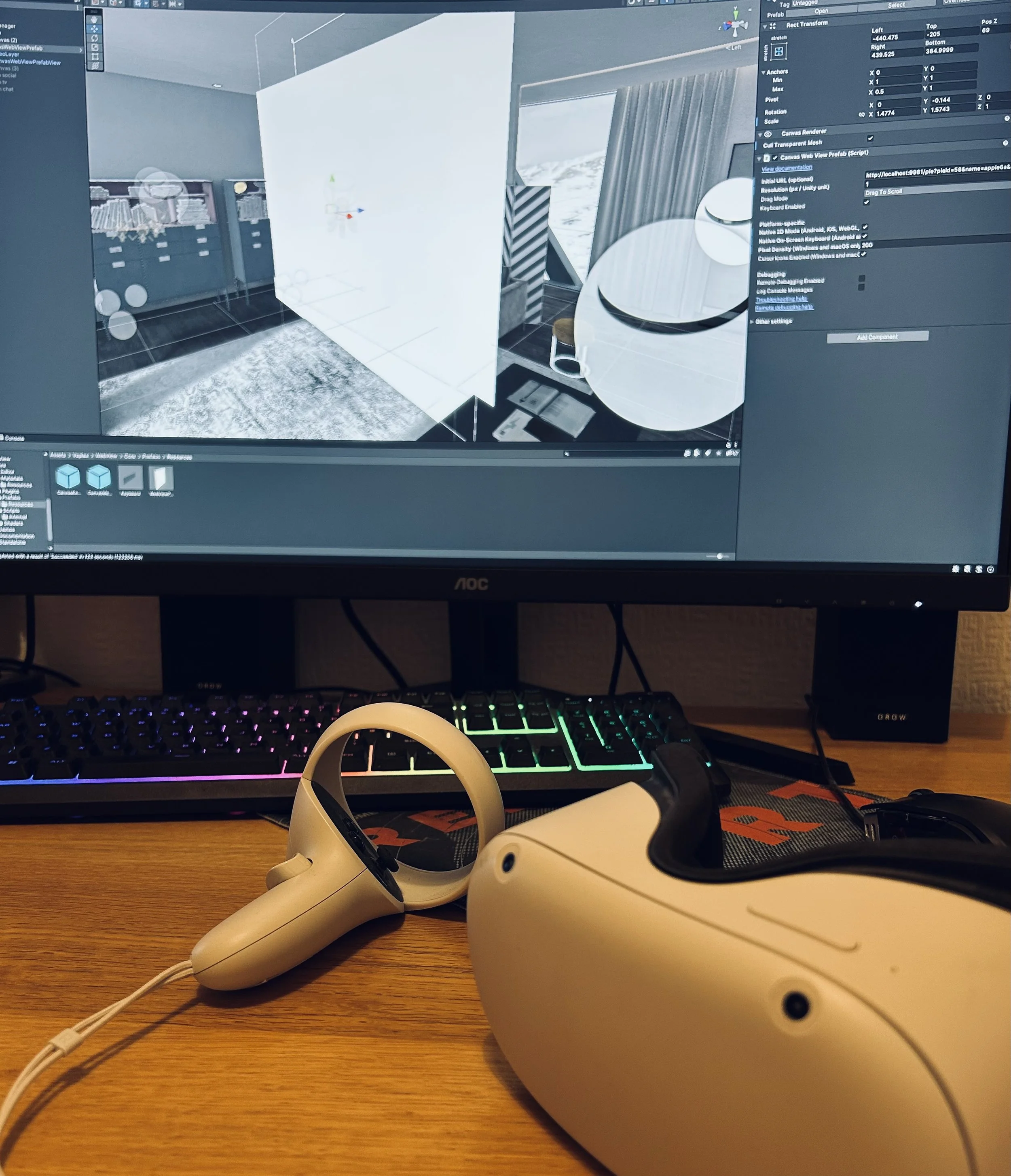
I imported the ProtoPie elements into Unity, placed them within the VR environment, and began testing the UX using a Meta Quest 2 headset.
Challenges
The machine I used to build and record this project was just about meeting the recommended specs. While testing on the Meta Quest itself was smooth and flawless, recording the video exposed the limits of the hardware—the frame rate dropped significantly, making the footage noticeably janky throughout. Hopefully, that explains the rough quality in the recording.
#1 Created Interactive Modules
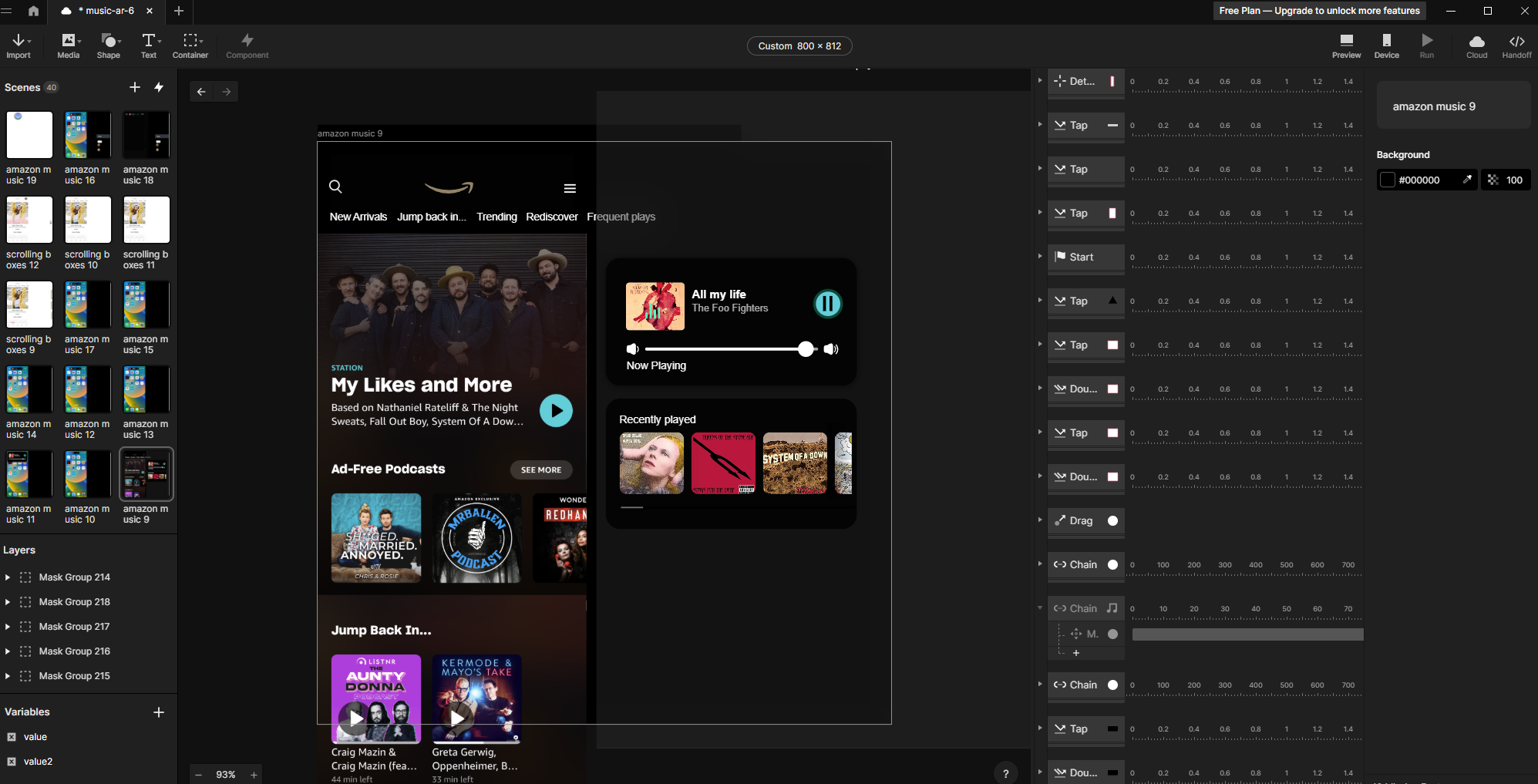
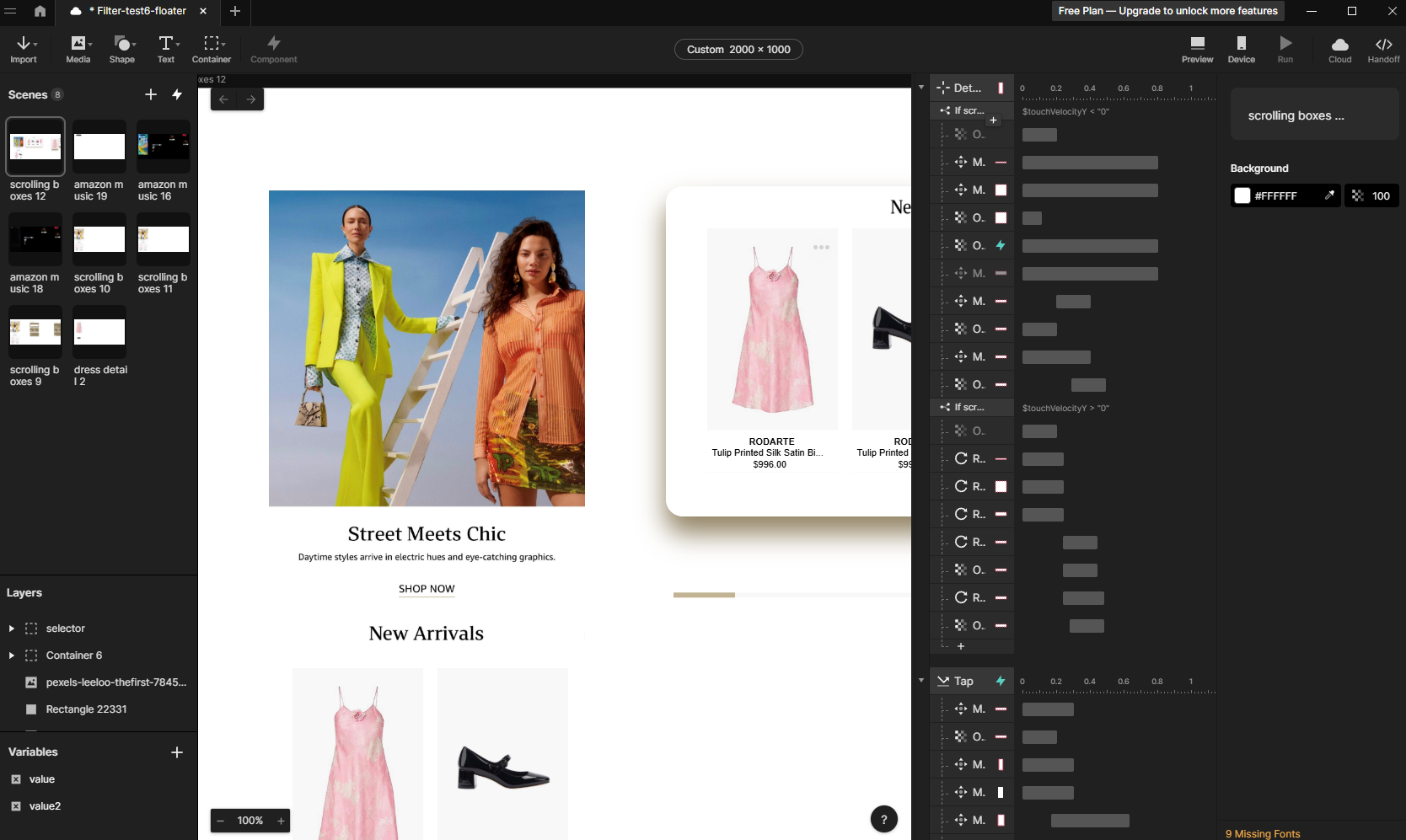
The screen layouts were designed in Figma and imported into ProtoPie, I exported the Figma screens into ProtoPie and added interactive behaviours—such as the music player and shopping window—creating fast, lightweight prototypes for early concept testing.
#2 Building Faster with Pre-Made Unity Assets
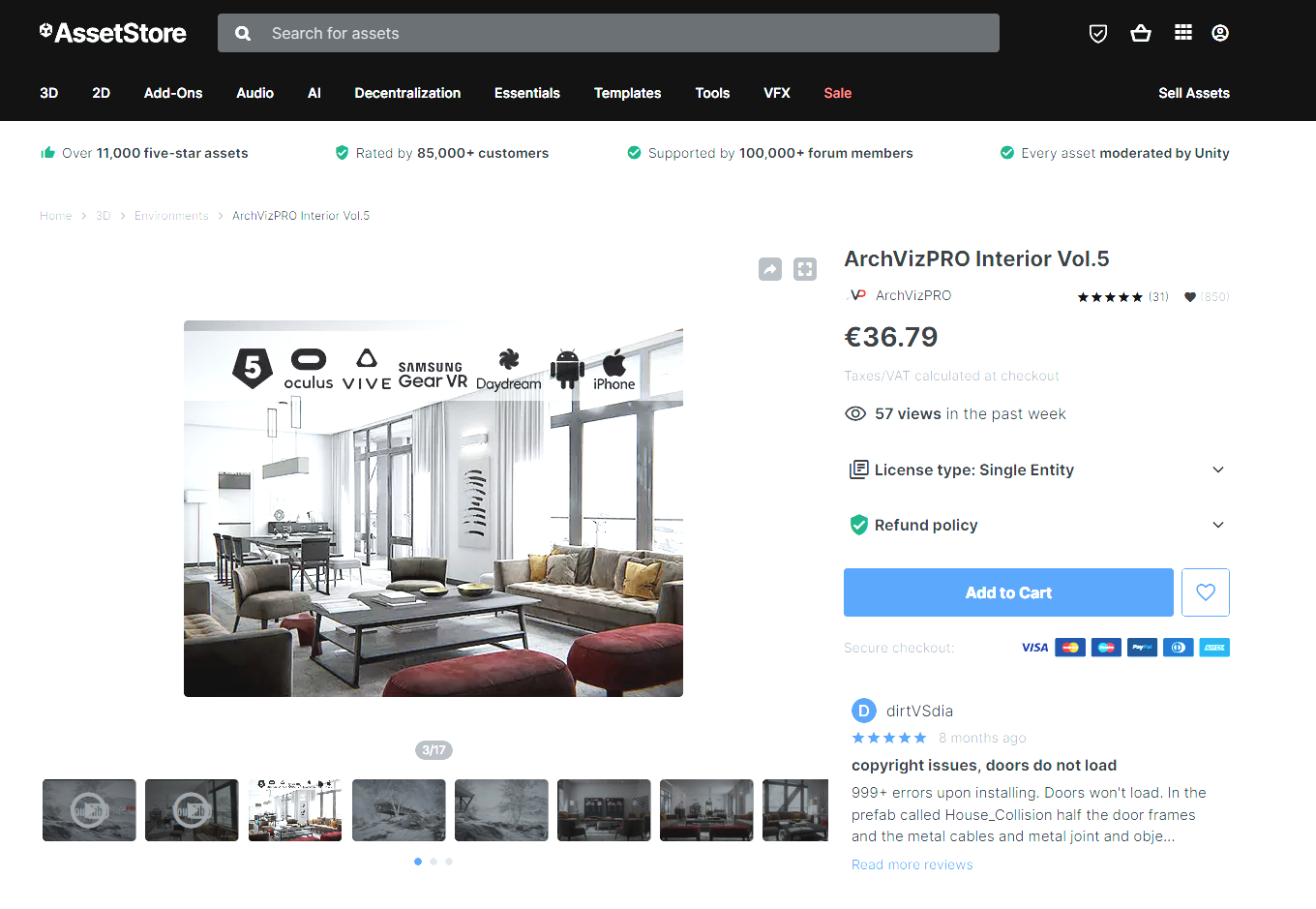
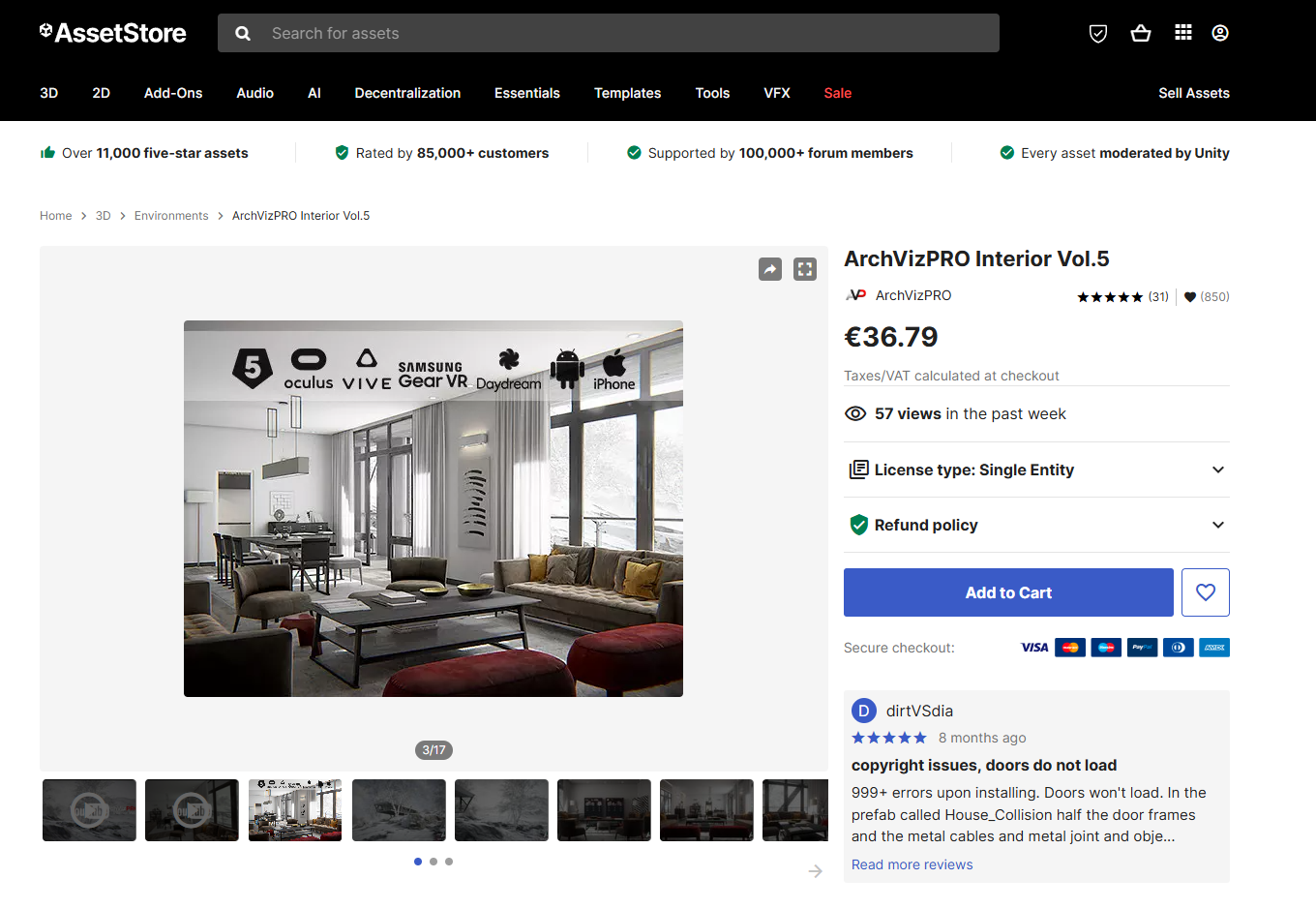
To accelerate prototyping, I assembled the experience in Unity by combining prebuilt assets with a high-fidelity arch-viz environment sourced from the Unity Store, giving me a solid foundation for the VR shopping flow.